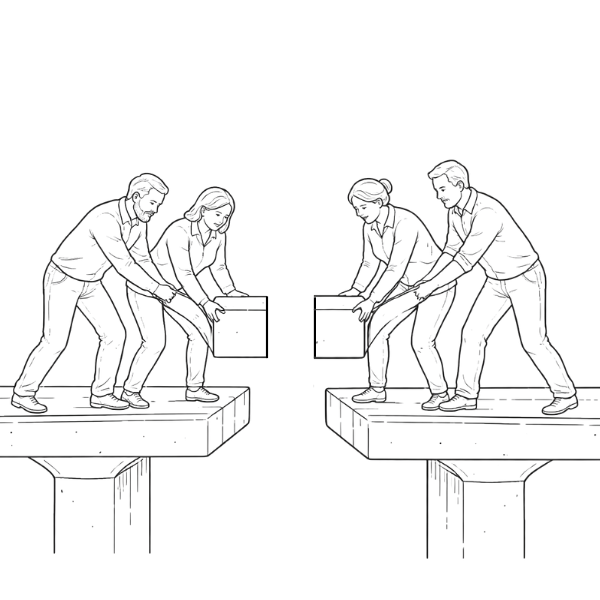
Prizes aren’t competitions, they close opportunity gaps.
Where needs are clear but solutions haven't emerged yet, prize challenges create the conditions for innovation to surface, scale, and reshape entire systems.
the legacy
200+ years of system-shaping outcomes
Prize challenges aren't new. They've launched industries, saved millions of lives, and opened new frontiers.
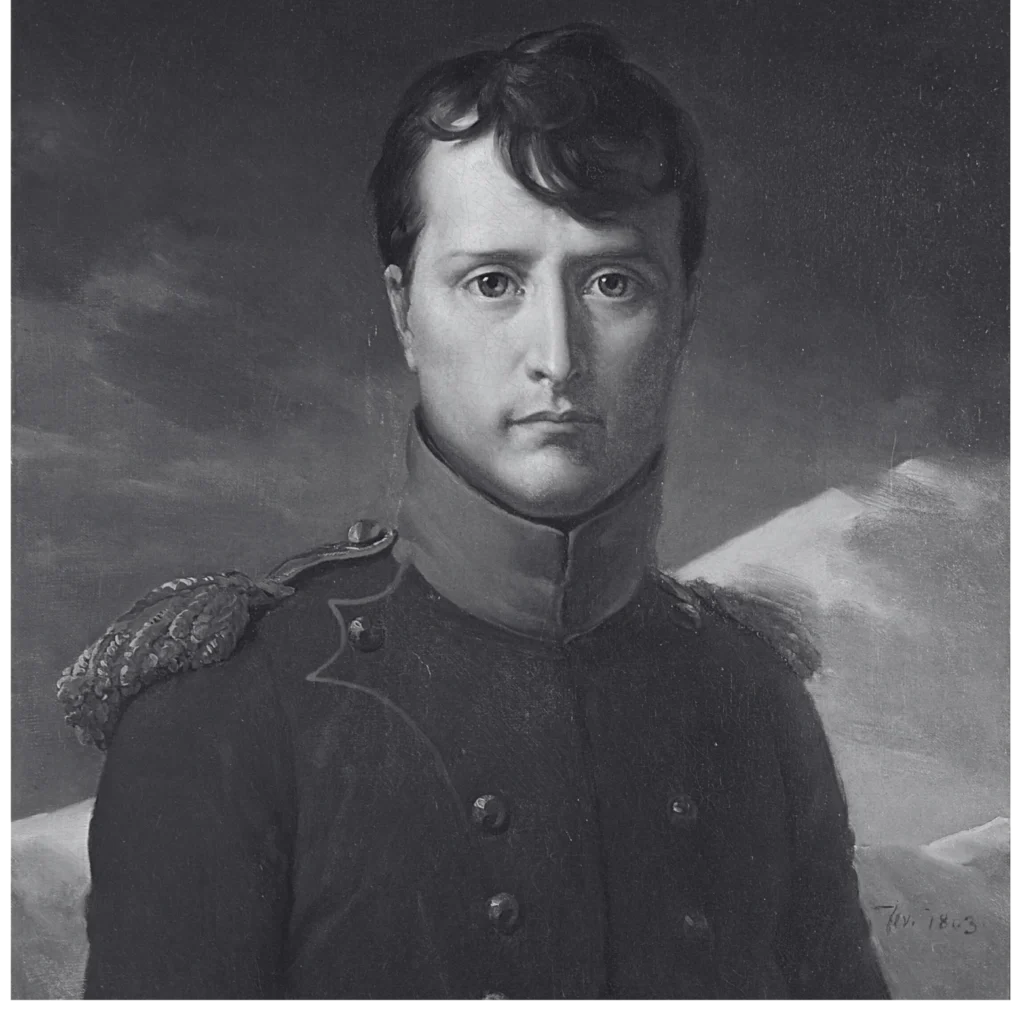
1795
Napoleon's food preservation prize
Drove breakthroughs in food preservation, enabling long-term storage and transport at scale.
1863
the billiard ball prize
Triggered the invention of celluloid, introducing the world's first synthetic plastic.
1919
the Orteig aviation prize
Accelerated modern aviation by enabling the first nonstop transatlantic flight.
1920
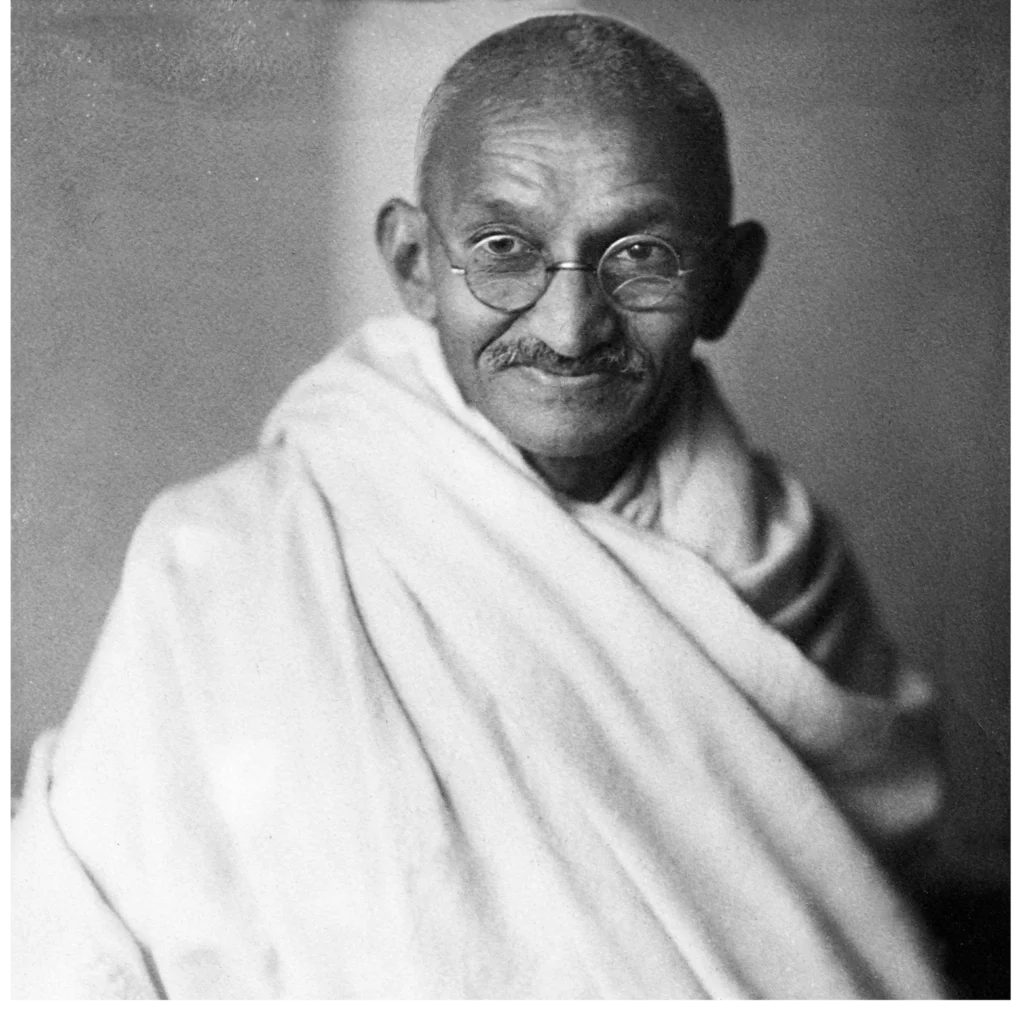
council of the all-India spinners' association challenge
Established by Mahatma Gandhi to improve the charkha over 15 months.
1996
the Ansari X Prize
Proved the viability of private spaceflight and helped launch the commercial space industry.
2003
the Bill & Melinda Gates foundation’s grand challenges
Accelerated innovation to tackle persistent challenges in global health.
the conditions
when prizes work best
the right solvers are elsewhere
Prizes widen participation.
innovation needs market-testing
Prizes enable rapid experimentation.
solutions must scale inclusively
Not just work as a pilot.
outcomes matter more than activity
Pay for results, not intent.
existing approaches stall
A prize brings fresh eyes.
problems are well-defined
But solutions are not.
the opportunity
what prize challenges unlock for India
India's livelihood challenges operate at a massive scale. The next decade will demand solutions that hold up in the real world and prize challenges are built exactly to unlock that.
Landfills could exceed 1,400 sq km by 2040.
MSMEs could employ over 150M people by 2047.
India's job creation gap is widening.
47% of women employed in 2019 left the labour force in 2020.